
Ceramic body preparation and two-stage ball milling
Use the existing batch mill arrangement, feed and slip delivery requirements to assess separate coarse and fine milling with direct pumped transfer. Agree on fineness, accepted output per shift and metering boundaries before a retrofit.
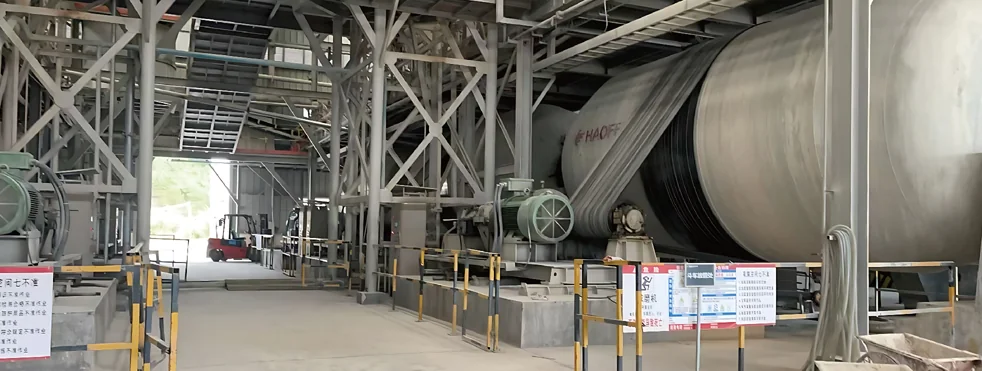
Capture one complete batch
Share the feed type, number and capacity of mills, batch feed, grind time, sieve opening and residue, discharge time, and electricity used by the mills and relevant pumps. If the line lacks a baseline, a one- to two-week metering period can link each batch to its dry solids and total electricity.
Test the process and the schedule
Split the same feed lot for trials and sample both mill outlets. For direct transfer, place coarse discharge, fine mill availability and actual transfer time on one shift schedule. Compare system kWh per accepted dry tonne alongside time-of-use charges, media wear, labour and maintenance. Accept capacity against the tonnage delivered within the agreed production window.
Define supply and service scope
Agree on equipment, pump interfaces, media supply, trials, commissioning and acceptance. Selected projects in China can include a media-wear contract: the plant keeps the electricity savings and GONGKEE covers agreed media wear after both parties sign off the baseline and settlement start date. Overseas projects require a separate review of installation conditions, spares and local service coverage.